The Half-Step Method
A simple method I created to stay consistent and finish projects when overwhelm makes the full goal feel impossible.
There’s something I don’t talk about often, but it shaped my early career more than I’d like to admit: I struggled with consistency. I missed deadlines. I didn’t always communicate the way I should have. Projects stretched longer than they needed to. And yes, it cost me relationships and opportunities. At a certain point, I had to stop blaming circumstances and really look at myself. Staying consistent isn’t optional if you want to build anything meaningful.
From the outside, it might have looked like poor time management or lack of discipline. Internally, it was more complicated. I was operating in a near-constant state of anxiety, depression, and feeling inadequate. Every project felt heavier than it should have. Starting something was exciting, but finishing it felt overwhelming. Completion meant exposure. Exposure meant judgment. Even when the work was good, I struggled to carry it across the finish line.
I found myself stuck in a loop: I would have a strong idea, dive in with energy, hit a wall of overwhelm, stall, and then sit with the disappointment of not following through. The ideas were never the problem. Execution, especially sustained execution, was. The weight of the “end goal” was so big in my mind that it became paralyzing. Instead of finishing and feeling proud, I would avoid finishing and feel worse.
At some point, I realized I needed a different way to approach work. Not a productivity system I found online. Not a motivational reset. Something practical that could meet me where I actually was. That’s when I developed what I call the half-step method.
The concept is simple. When completing the full task feels impossible, do half. If doing a full load of laundry feels like too much, do half the load. If cooking a full meal feels overwhelming, prepare only the essentials. With work, I began separating projects into segments at the very beginning and committing to completing the smallest incremental steps on days when I felt mentally low. Instead of pushing myself to finish everything, I focused on moving something forward.
The shift wasn’t about lowering standards permanently. It was about lowering pressure in moments where pressure was the thing shutting me down. On days when I would normally spiral and take a full step back, I chose to take a half-step forward instead. That might mean outlining instead of drafting. Sending one email instead of clearing the entire inbox. Editing one section instead of finalizing the whole project.
Yes, sometimes this means things take longer. Deadlines still matter, and you have to account for that. But I learned that slow progress is still progress. A small action maintains momentum. It preserves trust with yourself. And that trust compounds.
For me, the half-step method became less about productivity and more about self-regulation. It kept disappointment from taking over the entire day. It allowed me to stay in the game instead of stepping out completely. Completing even a small portion of something contributes to the larger whole. It keeps the door open.
I’m not presenting this as a universal solution or a belief system. It’s simply a method that helped me rebuild my relationship with finishing. And finishing, in any creative or professional field, is everything.
I’m still refining it. I still have days where the weight feels heavier than it should. But now I know I don’t need a perfect burst of motivation to move forward. I just need a half-step.What’s something you’ve had to adjust in yourself to stay consistent?
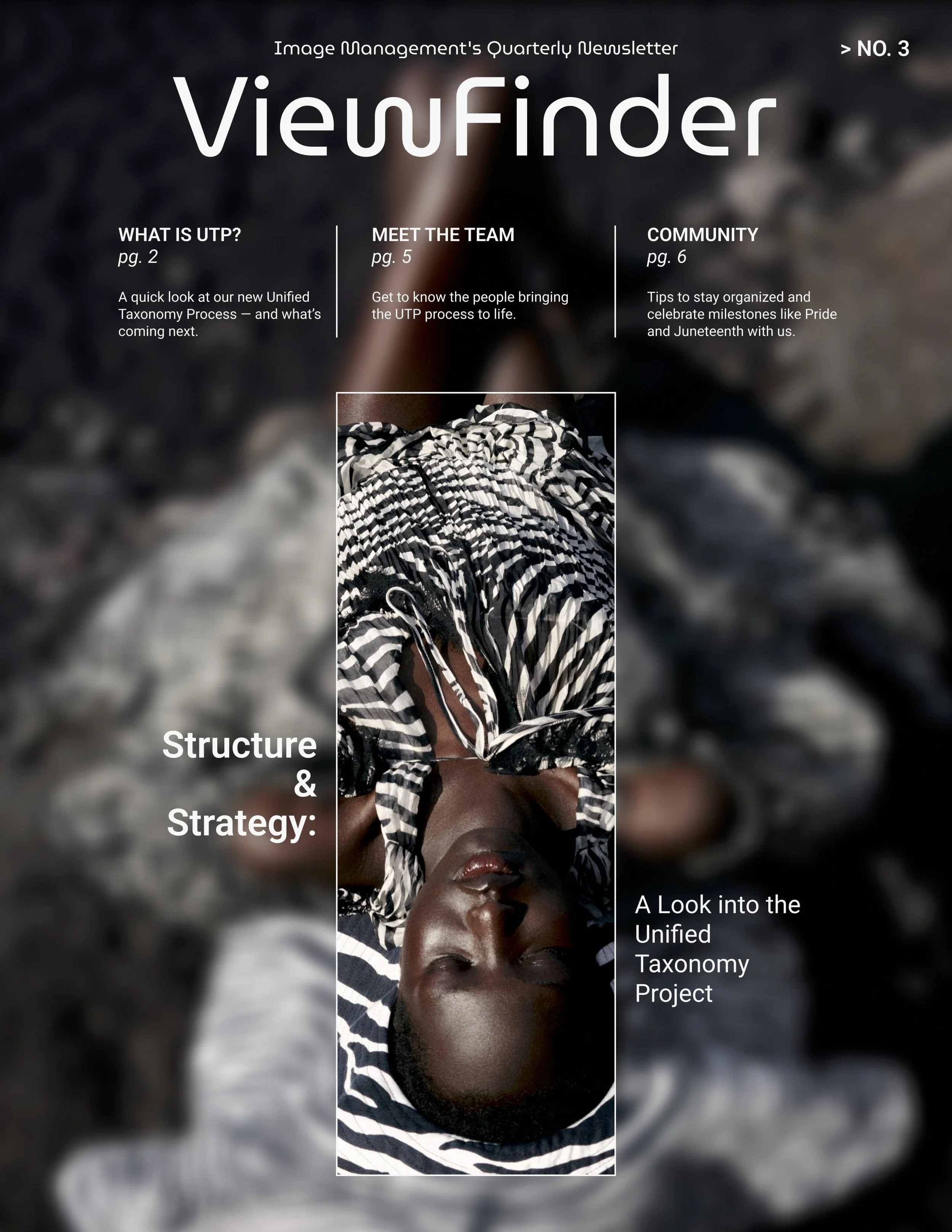
Newsletter Covers for WGSN
Newsletter covers I collaborated on at WGSN, and how refining them strengthened my layout and visual design skills.
Here are a few covers from newsletters I helped create for our team at WGSN.This project required attention to detail and consistency across each issue. It was a process that could feel meticulous at times, but watching each edition come together made it incredibly rewarding.
I was genuinely happy to contribute and proud of the final outcome.
These are not the exact versions that went out company-wide. After leaving, I spent additional time refining them simply because I cared about the project and wanted to explore how far I could push the layout and visual direction. It gave me space to experiment and flex design skills that I do not always get to use in my day-to-day work.
Projects like this reminded me how much I value collaboration, structure, and thoughtful presentation. I am grateful for the opportunity to have worked on something that blended communication, design, and storytelling in such a tangible way.
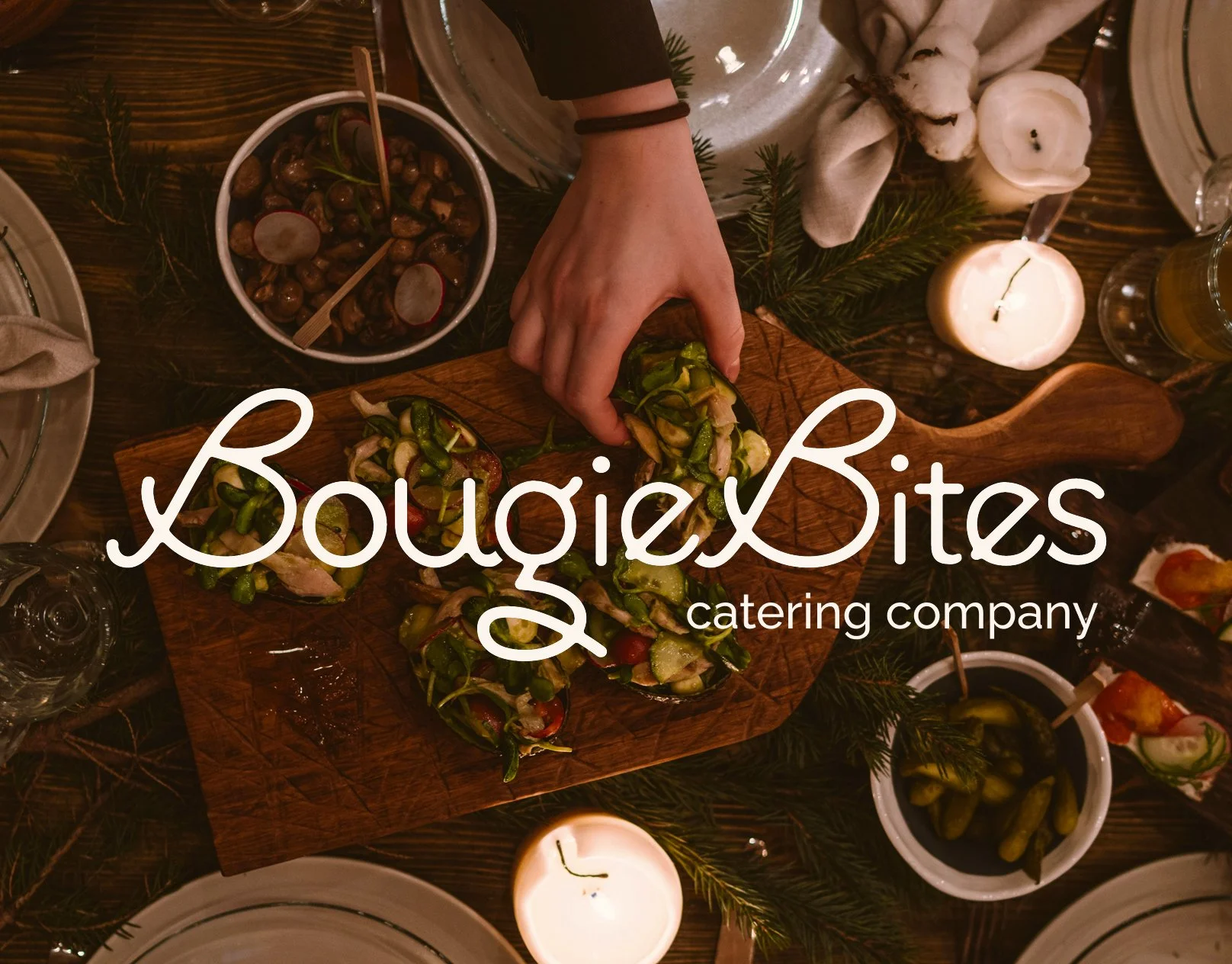
Leaning Into Brand Work: Bougie Bites
This rebrand pushed me to think beyond a logo and build a full brand system. Here’s what I learned along the way.
One of the ways I’ve been pushing my creative skills recently is by leaning into real client work that forces me to think beyond individual assets. Instead of designing a single logo or graphic, I’ve been focusing on full brand systems. Work that holds together across platforms. Work that functions in the real world.
This project was a rebrand for Bougie Bites, a Florida-based catering company with a strong personality and regional identity. The goal was not to reinvent the brand entirely, but to refine and strengthen its visual language so it could be used consistently across digital, print, and event spaces.
For this rebrand, I developed a cohesive visual foundation that included logo design and submark variations, a refined color palette, thoughtful typography selection, and visual applications across multiple brand touchpoints. Every element needed to feel aligned while remaining flexible enough to grow with the company.
The challenge was clarity and cohesion. Catering brands live in many environments. They show up on menus, packaging, websites, social graphics, signage, and event materials. The identity had to feel polished in a digital mockup and equally strong printed at scale. It needed to feel recognizable without being rigid.
A large part of the process involved stepping back and asking questions. Does this color palette feel elevated and regional without leaning into cliché? Do the typography choices communicate sophistication while remaining approachable? Does the system work just as well in a single-color application as it does in a full brand spread?
I am definitely new to graphic design, and there is still a lot for me to learn. Building a full brand system challenged me in ways I expected and in ways I did not. There were moments of doubt, revisions, and rethinking decisions from the ground up. But for my first full brand design project, I can honestly say I am proud of myself for sticking it through.
In hindsight, this project took longer than I originally planned. But I am glad I allowed time to refine it. Brand systems require iteration. They need space to breathe and be tested in different contexts. Rushing would have compromised the cohesion.
The client was very happy with the final result, which is always rewarding. But what I value most about this project is how it pushed me to think structurally. Designing for longevity instead of novelty. Designing for use instead of presentation.
I would genuinely love to hear other designers’ thoughts on building brand systems. What do you think about this re-design? How do you balance flexibility and consistency?
Love to hear your thoughts!
Retouching Is Still My Foundation
An inside look at my retouching practice and why precision, texture, and restraint remain central to my creative process.
Retouching has and always will be my bread and butter.
It is the skill that shaped my eye. The practice that taught me patience. The discipline that forced me to slow down and really see an image instead of just capturing it.
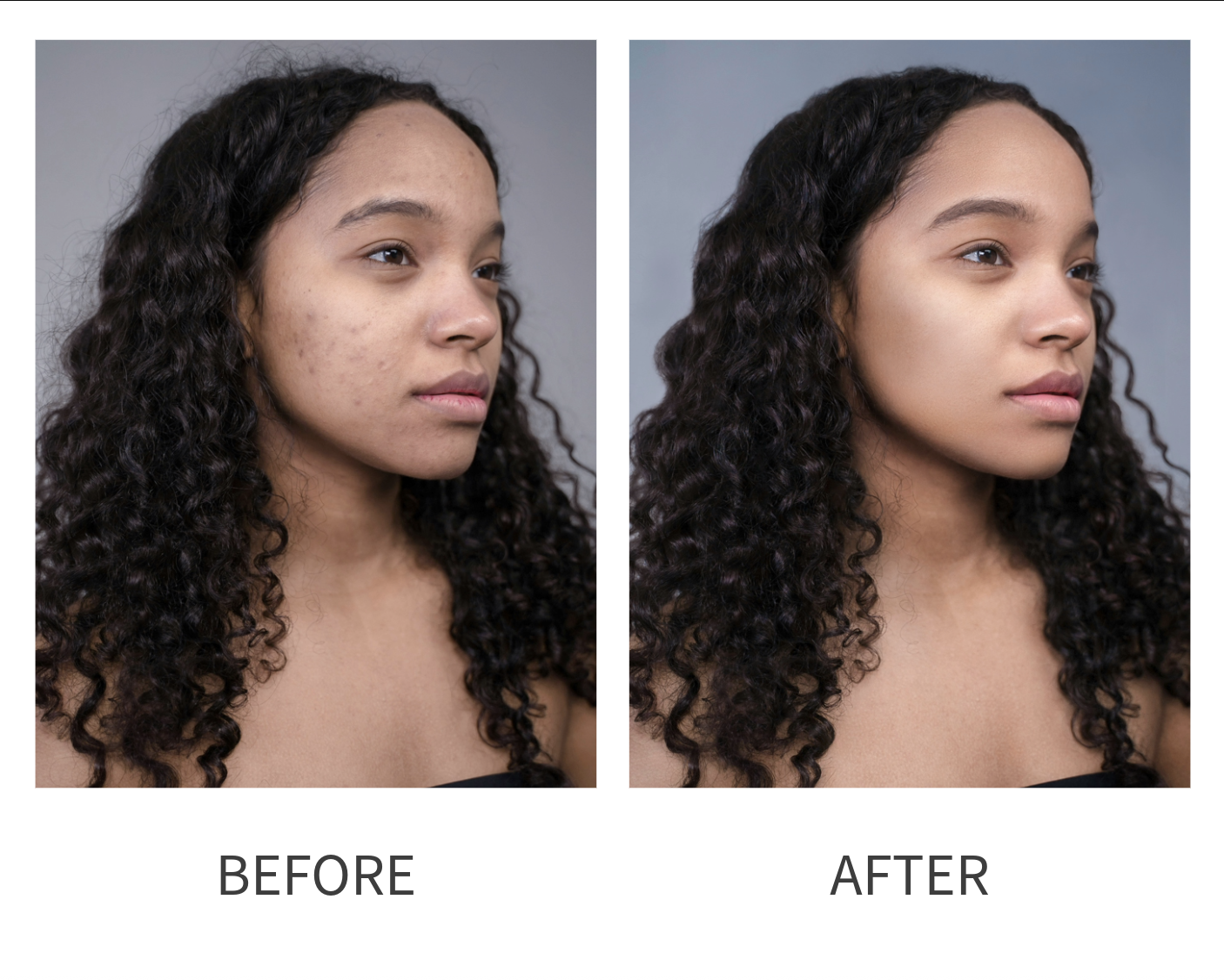
Before the generative tools, before the experiments, before the creative pivots, there was retouching. Hours spent zoomed in at 200 percent, refining skin without flattening texture. Adjusting color so it felt believable, not artificial. Balancing light so it enhanced the story instead of overpowering it.
Retouching is subtle work when it is done well. The best edits are the ones you do not notice. They do not scream. They do not distort. They simply elevate what is already there.
That is what I love about it.It requires restraint. It requires understanding light, anatomy, color theory, and composition. It requires knowing when to stop. The goal is not perfection. The goal is polish without losing humanity.
Recently, I have been revisiting retouching as practice. Not because I have to, but because I want to keep my foundation sharp. The industry shifts. Tools evolve. AI speeds up workflows. But the fundamentals still matter. A strong eye matters. Taste matters. Judgment matters.
Practice work is where I refine that judgment.It is where I test skin tones across different lighting scenarios. Where I experiment with subtle dodge and burn. Where I push color grading and then pull it back. Where I remind myself that technical precision and creative intuition can coexist.
Retouching taught me how to finish. It taught me discipline. It taught me that the smallest details can transform an image.
And no matter where my work evolves next, that foundation stays with me.Sharing some recent practice work here.
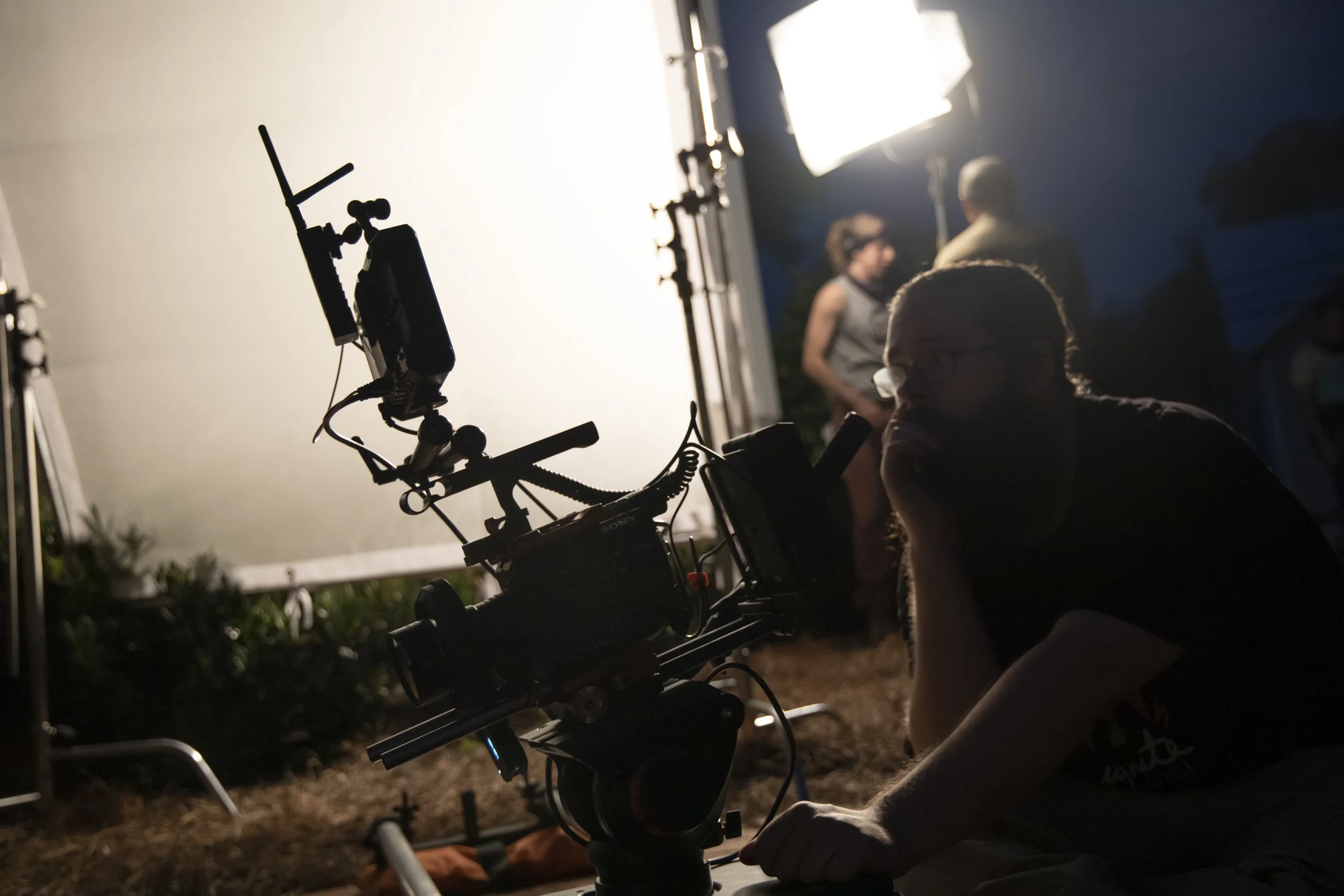
The Quiet Work of Unit Still Photography
A reflection on my experience as a unit still photographer and the quiet, fast-paced world of working behind the scenes on film sets.
I really loved my days on set. The early mornings when the air still felt heavy with sleep, the endless coffee that somehow never quite felt like enough, and that first call of “Action!” echoing through the space. There’s something electric about the start of a shoot day. Even before the cameras roll, you can feel the momentum building.
Unit still photography was, and still is, one of my favorite ways to work. Film sets are controlled chaos. Lights are being adjusted. Marks are being taped down. Wardrobe is making last-minute tweaks. Production assistants are moving quickly with purpose. In the middle of all of it, I get to be the quiet observer with a camera, present but unobtrusive.
No one really notices me, and that’s exactly how it should be.
But I notice everything.
I notice the way an actor shifts their shoulders before stepping into character. The quiet concentration between takes. The small exhale after a difficult scene lands just right. The nerves, the laughter, the stillness. I pay attention to the details that never make it into the final cut, the in-between frames that hold so much humanity.
Unit still photography is not just about documenting what’s happening. It is about anticipating it. It is about understanding the rhythm of a set and knowing when to step forward and when to disappear. It requires intuition, timing, and an awareness of light and emotion that moves just as quickly as the production itself.
There’s a particular kind of trust that comes with the role. You are there to capture moments that will represent the project long after the shoot wraps, for press, for marketing, for archives. You have to work quickly, quietly, and respectfully while staying sharp and technically precise. The shutter cannot interrupt a performance. The camera cannot pull focus away from the scene. You adapt to the production, not the other way around.
It always felt like a dream job. Not because it was easy, it is not, but because it allowed me to be immersed in craft. There is something freeing about being trusted to move independently, to find your angles, to manage your time as long as the work is done. And yes, the craft lunch did not hurt either.
Beyond the perks, what I loved most was the collaboration. Being surrounded by people who care deeply about storytelling. Watching directors shape moments in real time. Seeing crew members problem-solve under pressure. Film sets are ecosystems of creativity, and getting to document that ecosystem is a privilege.
With the film industry slowed down right now, I find myself missing that environment, the hum of production, the unpredictability, the quiet focus before a big scene. I am hopeful to get back on set again soon.If you are in need of unit still photography services for your next production, I would love to connect.
There is nothing quite like capturing the story behind the story. 📸
A New Year and a Conversation About Relevancy
After AI replaced my role, I had to rethink relevancy. A reflection on adapting, learning new tools, and staying creative in uncertain times.
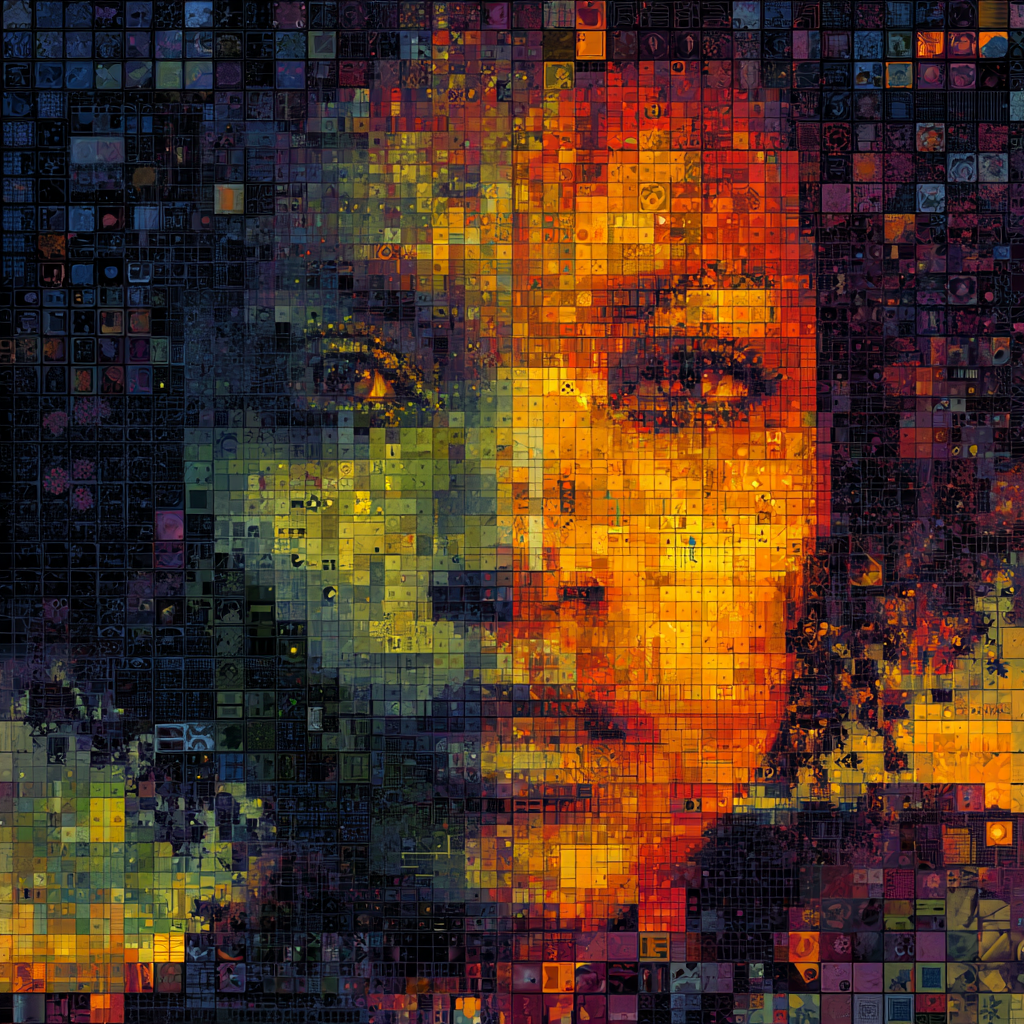
Image created using Midjourney
With the start of a new year, I’ve found myself thinking a lot about relevancy.
What it means to stay relevant in this moment, in this industry, and in a world that feels like it’s changing every day.
I’ve caught myself looking back at past work and asking hard questions.
How am I going to keep up?
How do I stay relevant?
If AI takes away job opportunities, then what?
These questions don’t get easier. New tools and technologies are introduced constantly, and there’s very little certainty about what the future looks like.
The only way I’ve found to push back against that fear is through research. A lot of it. Reading, watching, testing, and trying things even when I feel behind or unsure. If AI is part of the challenge, then I can’t sit on the sidelines pretending it isn’t happening. I have to at least put my best foot forward and engage with it.
I was scared when AI replaced my position. I was confused, frustrated, and honestly, it hurt. I know I’m not the only one feeling this way right now.
If you’re in that place too, this is your reminder not to give up. You’re allowed to feel unsettled, but you don’t have to count yourself out at the start of the race. There’s an avenue for everyone, and sometimes the only option is to try, adapt, and keep moving.
This is a difficult time to navigate, and staying relevant isn’t easy. But maybe the answer really is simple.
If you can’t beat it, learn it. Use it. Shape it.

Closing One Chapter, Choosing the Next
Drifting above Salt Lake City, Utah.
Last year was a whirlwind. Turning 30 pushed me to pause and really reflect on my life so far, the direction I want to grow in, and the kind of future I’m ready to build.
Last year also brought a major shift: saying goodbye to a wonderful job that gave me countless opportunities to learn, grow, and create. I’m deeply grateful for the people, projects, and moments that shaped that chapter. I truly blossomed in ways I couldn’t have imagined when I first started.
While it was bittersweet to close that door, I’m genuinely excited for what’s ahead. I’ll be revamping my website and sharing more of my creative work and projects here, something I’ve always been a little hesitant to do.
As part of my new year mindset, that’s about to change. This next chapter is about showing what I’m capable of, taking risks, and putting my ideas out into the world.