
The Half-Step Method
A simple method I created to stay consistent and finish projects when overwhelm makes the full goal feel impossible.
There’s something I don’t talk about often, but it shaped my early career more than I’d like to admit: I struggled with consistency. I missed deadlines. I didn’t always communicate the way I should have. Projects stretched longer than they needed to. And yes, it cost me relationships and opportunities. At a certain point, I had to stop blaming circumstances and really look at myself. Staying consistent isn’t optional if you want to build anything meaningful.
From the outside, it might have looked like poor time management or lack of discipline. Internally, it was more complicated. I was operating in a near-constant state of anxiety, depression, and feeling inadequate. Every project felt heavier than it should have. Starting something was exciting, but finishing it felt overwhelming. Completion meant exposure. Exposure meant judgment. Even when the work was good, I struggled to carry it across the finish line.
I found myself stuck in a loop: I would have a strong idea, dive in with energy, hit a wall of overwhelm, stall, and then sit with the disappointment of not following through. The ideas were never the problem. Execution, especially sustained execution, was. The weight of the “end goal” was so big in my mind that it became paralyzing. Instead of finishing and feeling proud, I would avoid finishing and feel worse.
At some point, I realized I needed a different way to approach work. Not a productivity system I found online. Not a motivational reset. Something practical that could meet me where I actually was. That’s when I developed what I call the half-step method.
The concept is simple. When completing the full task feels impossible, do half. If doing a full load of laundry feels like too much, do half the load. If cooking a full meal feels overwhelming, prepare only the essentials. With work, I began separating projects into segments at the very beginning and committing to completing the smallest incremental steps on days when I felt mentally low. Instead of pushing myself to finish everything, I focused on moving something forward.
The shift wasn’t about lowering standards permanently. It was about lowering pressure in moments where pressure was the thing shutting me down. On days when I would normally spiral and take a full step back, I chose to take a half-step forward instead. That might mean outlining instead of drafting. Sending one email instead of clearing the entire inbox. Editing one section instead of finalizing the whole project.
Yes, sometimes this means things take longer. Deadlines still matter, and you have to account for that. But I learned that slow progress is still progress. A small action maintains momentum. It preserves trust with yourself. And that trust compounds.
For me, the half-step method became less about productivity and more about self-regulation. It kept disappointment from taking over the entire day. It allowed me to stay in the game instead of stepping out completely. Completing even a small portion of something contributes to the larger whole. It keeps the door open.
I’m not presenting this as a universal solution or a belief system. It’s simply a method that helped me rebuild my relationship with finishing. And finishing, in any creative or professional field, is everything.
I’m still refining it. I still have days where the weight feels heavier than it should. But now I know I don’t need a perfect burst of motivation to move forward. I just need a half-step.What’s something you’ve had to adjust in yourself to stay consistent?
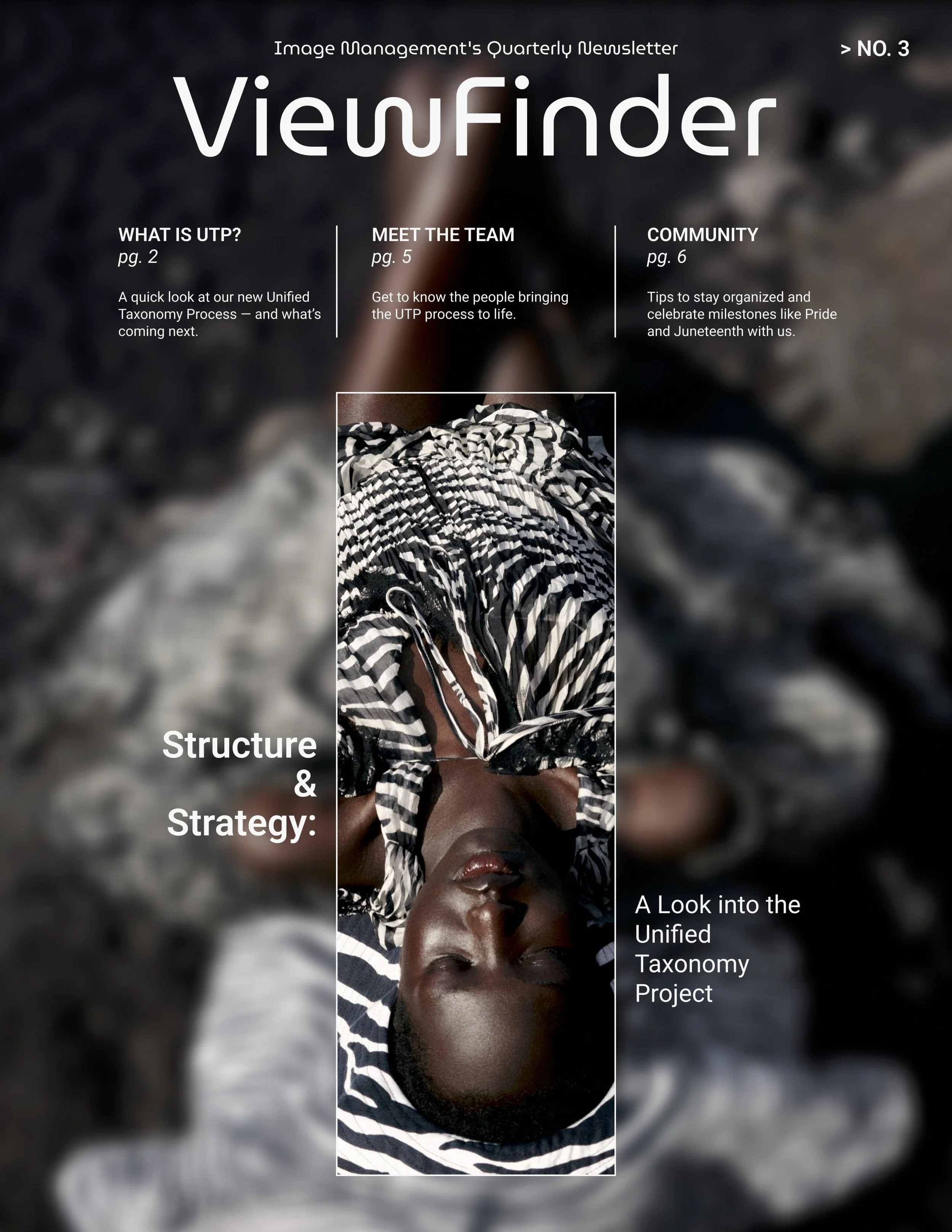
Newsletter Covers for WGSN
Newsletter covers I collaborated on at WGSN, and how refining them strengthened my layout and visual design skills.
Here are a few covers from newsletters I helped create for our team at WGSN.This project required attention to detail and consistency across each issue. It was a process that could feel meticulous at times, but watching each edition come together made it incredibly rewarding.
I was genuinely happy to contribute and proud of the final outcome.
These are not the exact versions that went out company-wide. After leaving, I spent additional time refining them simply because I cared about the project and wanted to explore how far I could push the layout and visual direction. It gave me space to experiment and flex design skills that I do not always get to use in my day-to-day work.
Projects like this reminded me how much I value collaboration, structure, and thoughtful presentation. I am grateful for the opportunity to have worked on something that blended communication, design, and storytelling in such a tangible way.
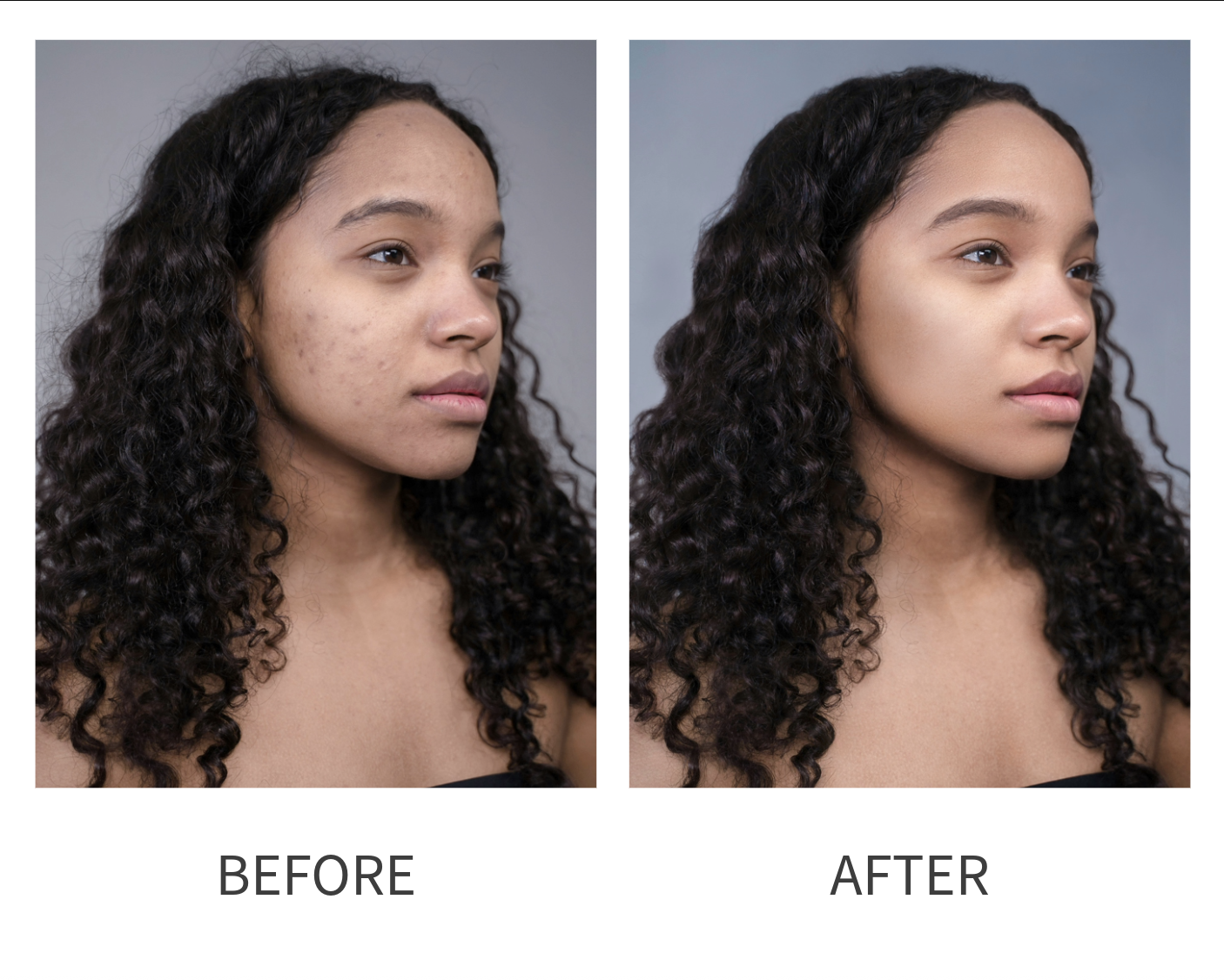
Retouching Is Still My Foundation
An inside look at my retouching practice and why precision, texture, and restraint remain central to my creative process.
Retouching has and always will be my bread and butter.
It is the skill that shaped my eye. The practice that taught me patience. The discipline that forced me to slow down and really see an image instead of just capturing it.
Before the generative tools, before the experiments, before the creative pivots, there was retouching. Hours spent zoomed in at 200 percent, refining skin without flattening texture. Adjusting color so it felt believable, not artificial. Balancing light so it enhanced the story instead of overpowering it.
Retouching is subtle work when it is done well. The best edits are the ones you do not notice. They do not scream. They do not distort. They simply elevate what is already there.
That is what I love about it.It requires restraint. It requires understanding light, anatomy, color theory, and composition. It requires knowing when to stop. The goal is not perfection. The goal is polish without losing humanity.
Recently, I have been revisiting retouching as practice. Not because I have to, but because I want to keep my foundation sharp. The industry shifts. Tools evolve. AI speeds up workflows. But the fundamentals still matter. A strong eye matters. Taste matters. Judgment matters.
Practice work is where I refine that judgment.It is where I test skin tones across different lighting scenarios. Where I experiment with subtle dodge and burn. Where I push color grading and then pull it back. Where I remind myself that technical precision and creative intuition can coexist.
Retouching taught me how to finish. It taught me discipline. It taught me that the smallest details can transform an image.
And no matter where my work evolves next, that foundation stays with me.Sharing some recent practice work here.